Buy autark.eu ?
We are moving the project
autark.eu .
Are you interested in purchasing the domain
autark.eu ?
domain@kv-gmbh.de · 0541-91531010
Buy autark.eu ?
Is there climate-friendly meat?
There are certain practices and methods that can make meat production more climate-friendly. For example, raising animals on pasture-based systems can help sequester carbon in the soil and reduce methane emissions. Additionally, using regenerative agriculture practices and reducing the use of antibiotics and hormones can also make meat production more sustainable. However, it's important to note that the overall impact of meat production on the environment is still significant, and reducing meat consumption or choosing alternative protein sources may be the most effective way to mitigate the environmental impact of meat production. **
Does anyone know of environmentally friendly vegetarian meat?
Yes, there are several environmentally friendly vegetarian meat options available. Plant-based meats such as Beyond Meat and Impossible Foods are made from ingredients like pea protein and soy, and have a significantly lower environmental impact compared to traditional meat production. Additionally, companies like Quorn and Gardein offer a variety of meat substitutes made from mycoprotein and other plant-based ingredients that are also environmentally friendly. These options provide a sustainable and cruelty-free alternative to traditional meat products. **
Similar search terms for Meat
Top-Angebote
Products related to Meat:
-
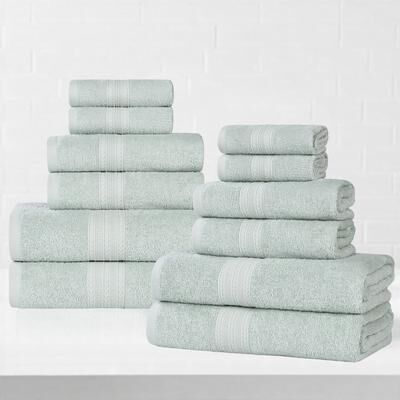
Superior Eco-Friendly Sustainable Cotton 12-Piece Bathroom Towel SetMade with incredibly soft recycled cotton, the Eco-Friendly Sustainable Cotton Bathroom Towel Set is the perfect green addition to any bathroom space. Our sustainable Cotton towels are lightweight to get you dry quickly after a shower or bath.63,19 $*Shipping: 0,00 $Secure redirect to the provider
-
Superior Eco-Friendly Sustainable Cotton 12-Piece Bathroom Towel SetMade with incredibly soft recycled cotton, the Eco-Friendly Sustainable Cotton Bathroom Towel Set is the perfect green addition to any bathroom space. Our sustainable Cotton towels are lightweight to get you dry quickly after a shower or bath.62,31 $*Shipping: 0,00 $Secure redirect to the provider


-
'Meat or no meat?'
The decision to eat meat or not is a personal choice that depends on individual beliefs, values, and dietary preferences. Some people choose to eat meat for its nutritional benefits, while others opt for a vegetarian or vegan diet for ethical, environmental, or health reasons. It's important to consider the impact of meat consumption on animal welfare, the environment, and personal health when making this decision. Ultimately, the choice of whether to eat meat or not is a personal one that should be made based on careful consideration of these factors. **
-
What is more environmentally friendly: eating local products and meat or imported products but not eating meat?
Eating local products and meat is generally more environmentally friendly than consuming imported products but not eating meat. This is because the transportation of imported products contributes to greenhouse gas emissions and energy consumption. Additionally, the production of meat, especially beef, has a significant environmental impact in terms of land use, water consumption, and methane emissions. By choosing local products and meat, one can reduce the carbon footprint associated with transportation and support sustainable farming practices. However, it's important to note that the environmental impact of food choices can vary depending on factors such as farming practices, transportation methods, and the specific product in question. **
-
Where can I source self-slaughtered meat from?
Self-slaughtered meat can be sourced from local farms or ranches where individuals are allowed to slaughter their own animals for personal consumption. Some small-scale farmers may also offer the option for individuals to participate in the slaughter process under their supervision. It's important to ensure that the slaughter is done in a humane and legal manner, and to follow all local regulations and guidelines for self-slaughtering animals. Additionally, it's crucial to have the necessary knowledge and skills to safely and effectively slaughter an animal for meat. **
-
How long is self-dried meat shelf-stable?
Self-dried meat, such as beef jerky, can be shelf-stable for several weeks to a few months if stored properly. The shelf life of self-dried meat depends on factors such as the moisture content, the presence of preservatives, and the storage conditions. It is important to store self-dried meat in an airtight container in a cool, dry place to maximize its shelf life. Additionally, vacuum-sealing the meat can help extend its shelf stability. **


Wild meat or regular meat?
It's important to consider the ethical and environmental implications of consuming wild meat versus regular meat. Wild meat, such as game animals, can be a more sustainable and natural option as it is often hunted in a way that supports local ecosystems and wildlife populations. However, regular meat from domesticated animals can be more readily available and may be produced in a more controlled and regulated manner. Ultimately, the choice between wild meat and regular meat depends on individual preferences, ethical considerations, and access to sustainable sources. **
Is it more environmentally friendly to eat more chicken meat?
Eating chicken meat can be more environmentally friendly compared to other types of meat, such as beef or lamb, as chicken production generally has a lower carbon footprint. Chickens require less land, water, and feed to produce the same amount of meat compared to other livestock. However, it is important to consider the overall environmental impact of chicken production, including issues such as deforestation for feed crops and the use of antibiotics in poultry farming. Ultimately, a diet that includes a variety of plant-based foods alongside moderate amounts of sustainably sourced chicken can be a more environmentally friendly choice. **
Top-Angebote
Products related to Meat:
-
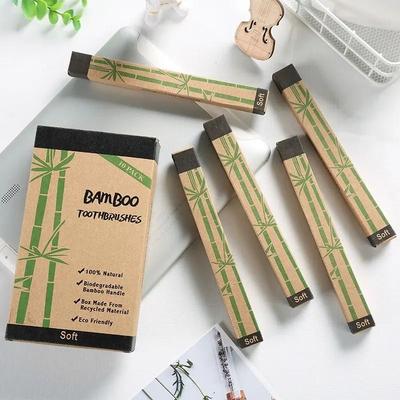
Uplift Essentials Natural Bamboo Eco Friendly Toothbrush 10 Piece Sustainable Family Pack Natural Bamboo Eco Friendly Toothbrush 10 Piece Sustainable Family PackTransition to a greener routine with this Natural Bamboo Toothbrush Set, a premium collection of bamboo products designed to reduce environmental impact without compromising on performance. Each handle is crafted from 100% sustainable bamboo,...37,97 $*Shipping: 0,00 $Secure redirect to the provider
-
Is there climate-friendly meat?
There are certain practices and methods that can make meat production more climate-friendly. For example, raising animals on pasture-based systems can help sequester carbon in the soil and reduce methane emissions. Additionally, using regenerative agriculture practices and reducing the use of antibiotics and hormones can also make meat production more sustainable. However, it's important to note that the overall impact of meat production on the environment is still significant, and reducing meat consumption or choosing alternative protein sources may be the most effective way to mitigate the environmental impact of meat production. **
-
Does anyone know of environmentally friendly vegetarian meat?
Yes, there are several environmentally friendly vegetarian meat options available. Plant-based meats such as Beyond Meat and Impossible Foods are made from ingredients like pea protein and soy, and have a significantly lower environmental impact compared to traditional meat production. Additionally, companies like Quorn and Gardein offer a variety of meat substitutes made from mycoprotein and other plant-based ingredients that are also environmentally friendly. These options provide a sustainable and cruelty-free alternative to traditional meat products. **
-
'Meat or no meat?'
The decision to eat meat or not is a personal choice that depends on individual beliefs, values, and dietary preferences. Some people choose to eat meat for its nutritional benefits, while others opt for a vegetarian or vegan diet for ethical, environmental, or health reasons. It's important to consider the impact of meat consumption on animal welfare, the environment, and personal health when making this decision. Ultimately, the choice of whether to eat meat or not is a personal one that should be made based on careful consideration of these factors. **
-
What is more environmentally friendly: eating local products and meat or imported products but not eating meat?
Eating local products and meat is generally more environmentally friendly than consuming imported products but not eating meat. This is because the transportation of imported products contributes to greenhouse gas emissions and energy consumption. Additionally, the production of meat, especially beef, has a significant environmental impact in terms of land use, water consumption, and methane emissions. By choosing local products and meat, one can reduce the carbon footprint associated with transportation and support sustainable farming practices. However, it's important to note that the environmental impact of food choices can vary depending on factors such as farming practices, transportation methods, and the specific product in question. **
Similar search terms for Meat
-
Superior Eco-Friendly Sustainable Cotton 12-Piece Bathroom Towel SetMade with incredibly soft recycled cotton, the Eco-Friendly Sustainable Cotton Bathroom Towel Set is the perfect green addition to any bathroom space. Our sustainable Cotton towels are lightweight to get you dry quickly after a shower or bath.63,19 $*Shipping: 0,00 $Secure redirect to the provider
-
Superior Eco-Friendly Sustainable Cotton 12-Piece Bathroom Towel SetMade with incredibly soft recycled cotton, the Eco-Friendly Sustainable Cotton Bathroom Towel Set is the perfect green addition to any bathroom space. Our sustainable Cotton towels are lightweight to get you dry quickly after a shower or bath.62,31 $*Shipping: 0,00 $Secure redirect to the provider
-
Superior Eco-Friendly Sustainable Cotton 12-Piece Bathroom Towel SetMade with incredibly soft recycled cotton, the Eco-Friendly Sustainable Cotton Bathroom Towel Set is the perfect green addition to any bathroom space. Our sustainable Cotton towels are lightweight to get you dry quickly after a shower or bath.78,56 $*Shipping: 0,00 $Secure redirect to the provider
-
Superior Eco-Friendly Sustainable Cotton 12-Piece Bathroom Towel SetMade with incredibly soft recycled cotton, the Eco-Friendly Sustainable Cotton Bathroom Towel Set is the perfect green addition to any bathroom space. Our sustainable Cotton towels are lightweight to get you dry quickly after a shower or bath.61,90 $*Shipping: 0,00 $Secure redirect to the provider
-
Where can I source self-slaughtered meat from?
Self-slaughtered meat can be sourced from local farms or ranches where individuals are allowed to slaughter their own animals for personal consumption. Some small-scale farmers may also offer the option for individuals to participate in the slaughter process under their supervision. It's important to ensure that the slaughter is done in a humane and legal manner, and to follow all local regulations and guidelines for self-slaughtering animals. Additionally, it's crucial to have the necessary knowledge and skills to safely and effectively slaughter an animal for meat. **
-
How long is self-dried meat shelf-stable?
Self-dried meat, such as beef jerky, can be shelf-stable for several weeks to a few months if stored properly. The shelf life of self-dried meat depends on factors such as the moisture content, the presence of preservatives, and the storage conditions. It is important to store self-dried meat in an airtight container in a cool, dry place to maximize its shelf life. Additionally, vacuum-sealing the meat can help extend its shelf stability. **
-
Wild meat or regular meat?
It's important to consider the ethical and environmental implications of consuming wild meat versus regular meat. Wild meat, such as game animals, can be a more sustainable and natural option as it is often hunted in a way that supports local ecosystems and wildlife populations. However, regular meat from domesticated animals can be more readily available and may be produced in a more controlled and regulated manner. Ultimately, the choice between wild meat and regular meat depends on individual preferences, ethical considerations, and access to sustainable sources. **
-
Is it more environmentally friendly to eat more chicken meat?
Eating chicken meat can be more environmentally friendly compared to other types of meat, such as beef or lamb, as chicken production generally has a lower carbon footprint. Chickens require less land, water, and feed to produce the same amount of meat compared to other livestock. However, it is important to consider the overall environmental impact of chicken production, including issues such as deforestation for feed crops and the use of antibiotics in poultry farming. Ultimately, a diet that includes a variety of plant-based foods alongside moderate amounts of sustainably sourced chicken can be a more environmentally friendly choice. **
* All prices are inclusive of VAT and, if applicable, plus shipping costs. The offer information is based on the details provided by the respective shop and is updated through automated processes. Real-time updates do not occur, so deviations can occur in individual cases. ** Note: Parts of this content were created by AI.