Buy autark.eu ?
We are moving the project
autark.eu .
Are you interested in purchasing the domain
autark.eu ?
domain@kv-gmbh.de · 0541-91531010
Buy autark.eu ?
What is an independent ceramic hob?
An independent ceramic hob is a standalone cooking appliance that is separate from an oven. It is typically a flat, smooth surface made of ceramic glass with heating elements underneath. This type of hob allows for flexible installation options, as it can be placed on a countertop or kitchen island without being attached to a specific oven unit. Independent ceramic hobs are popular for their sleek design, easy cleaning, and precise temperature control. **
Is an induction cooktop more energy-efficient than a large ceramic stove?
Yes, an induction cooktop is generally more energy-efficient than a large ceramic stove. This is because induction cooktops use electromagnetic energy to directly heat the cookware, which is more efficient than heating a large ceramic surface. Additionally, induction cooktops heat up and cool down more quickly, reducing overall energy consumption. Overall, using an induction cooktop can lead to lower energy bills and a smaller environmental footprint compared to a large ceramic stove. **

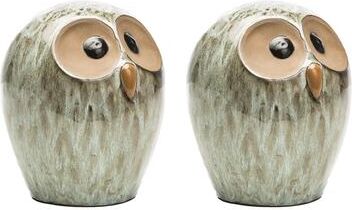
Similar search terms for Alfresco-Home-Large-Ceramic
Top-Angebote
Products related to Alfresco-Home-Large-Ceramic:
-
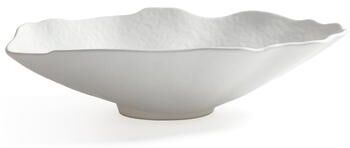
Zodax Alfresco Ceramic Centerpiece BowlThe Alfresco Ceramic Wavy Bowl features a fluid, sculptural form defined by gently undulating edges and a refined matte finish. Crafted from ceramic, its elongated shape and soft contours create an elevated yet relaxed presentation for the table.167,50 $*Shipping: 0,00 $Secure redirect to the provider



-
Can a ceramic cooktop stove overload the power grid?
No, a ceramic cooktop stove cannot overload the power grid. Ceramic cooktop stoves are designed to operate within the power limits of a typical household electrical system. They are designed to draw a specific amount of power that is well within the capacity of the power grid. However, it is important to ensure that the electrical system in the home is up to code and can handle the load of the cooktop stove to prevent any potential issues. **
-
Are smart home systems sustainable?
Smart home systems have the potential to be sustainable, as they can help reduce energy consumption and waste. For example, smart thermostats can optimize heating and cooling, reducing energy usage. Additionally, smart lighting systems can be programmed to turn off when not in use, saving electricity. However, the production and disposal of smart home devices can contribute to electronic waste, so it's important to consider the lifecycle impact of these systems. Overall, with proper use and disposal, smart home systems can contribute to sustainability efforts. **
-
Is turned ceramic better than cast ceramic?
It depends on the specific application and requirements. Turned ceramic, also known as machined ceramic, is typically more precise and can achieve tighter tolerances compared to cast ceramic. However, cast ceramic may be more cost-effective for larger and more complex shapes. Additionally, turned ceramic may have better surface finish and mechanical properties, while cast ceramic may have better thermal shock resistance. Ultimately, the choice between turned and cast ceramic depends on the specific needs of the application. **
-
What are some home remedies tips for large pores?
Some home remedies for large pores include using apple cider vinegar as a toner to help tighten and reduce the appearance of pores, applying aloe vera gel to soothe and minimize the appearance of pores, using a clay mask to absorb excess oil and reduce the appearance of pores, and regularly exfoliating to remove dead skin cells and prevent clogged pores. Additionally, using a cold compress can help temporarily tighten the skin and reduce the appearance of large pores. It's important to note that while these remedies may help minimize the appearance of large pores, they may not provide long-term solutions and it's best to consult with a dermatologist for personalized advice. **
How large can the grid spacing be?
The grid spacing can be as large as desired, depending on the specific application and the level of detail required. In some cases, a larger grid spacing may be sufficient for capturing the overall behavior of a system or structure, while in other cases, a smaller grid spacing may be necessary to capture finer details and nuances. It is important to carefully consider the trade-offs between computational efficiency and accuracy when determining the appropriate grid spacing for a given simulation or analysis. **
Why does the ceramic cooktop surface turn off?
The ceramic cooktop surface may turn off for a few reasons. One common reason is that the cooktop has reached a certain temperature and the heat sensor has automatically shut off the heating element to prevent overheating. Another reason could be that the cooktop has a built-in safety feature that turns off the surface if it detects that a pot or pan has been removed from the burner. Additionally, some cooktops have a timer function that automatically turns off the surface after a set amount of time has elapsed. **
Top-Angebote
Products related to Alfresco-Home-Large-Ceramic:
-
Zodax Alfresco Ceramic Centerpiece BowlThe Alfresco Ceramic Wavy Bowl features a fluid, sculptural form defined by gently undulating edges and a refined matte finish. Crafted from ceramic, its elongated shape and soft contours create an elevated yet relaxed presentation for the table.167,50 $*Shipping: 0,00 $Secure redirect to the provider
-
What is an independent ceramic hob?
An independent ceramic hob is a standalone cooking appliance that is separate from an oven. It is typically a flat, smooth surface made of ceramic glass with heating elements underneath. This type of hob allows for flexible installation options, as it can be placed on a countertop or kitchen island without being attached to a specific oven unit. Independent ceramic hobs are popular for their sleek design, easy cleaning, and precise temperature control. **
-
Is an induction cooktop more energy-efficient than a large ceramic stove?
Yes, an induction cooktop is generally more energy-efficient than a large ceramic stove. This is because induction cooktops use electromagnetic energy to directly heat the cookware, which is more efficient than heating a large ceramic surface. Additionally, induction cooktops heat up and cool down more quickly, reducing overall energy consumption. Overall, using an induction cooktop can lead to lower energy bills and a smaller environmental footprint compared to a large ceramic stove. **
-
Can a ceramic cooktop stove overload the power grid?
No, a ceramic cooktop stove cannot overload the power grid. Ceramic cooktop stoves are designed to operate within the power limits of a typical household electrical system. They are designed to draw a specific amount of power that is well within the capacity of the power grid. However, it is important to ensure that the electrical system in the home is up to code and can handle the load of the cooktop stove to prevent any potential issues. **
-
Are smart home systems sustainable?
Smart home systems have the potential to be sustainable, as they can help reduce energy consumption and waste. For example, smart thermostats can optimize heating and cooling, reducing energy usage. Additionally, smart lighting systems can be programmed to turn off when not in use, saving electricity. However, the production and disposal of smart home devices can contribute to electronic waste, so it's important to consider the lifecycle impact of these systems. Overall, with proper use and disposal, smart home systems can contribute to sustainability efforts. **
Similar search terms for Alfresco-Home-Large-Ceramic
-
Is turned ceramic better than cast ceramic?
It depends on the specific application and requirements. Turned ceramic, also known as machined ceramic, is typically more precise and can achieve tighter tolerances compared to cast ceramic. However, cast ceramic may be more cost-effective for larger and more complex shapes. Additionally, turned ceramic may have better surface finish and mechanical properties, while cast ceramic may have better thermal shock resistance. Ultimately, the choice between turned and cast ceramic depends on the specific needs of the application. **
-
What are some home remedies tips for large pores?
Some home remedies for large pores include using apple cider vinegar as a toner to help tighten and reduce the appearance of pores, applying aloe vera gel to soothe and minimize the appearance of pores, using a clay mask to absorb excess oil and reduce the appearance of pores, and regularly exfoliating to remove dead skin cells and prevent clogged pores. Additionally, using a cold compress can help temporarily tighten the skin and reduce the appearance of large pores. It's important to note that while these remedies may help minimize the appearance of large pores, they may not provide long-term solutions and it's best to consult with a dermatologist for personalized advice. **
-
How large can the grid spacing be?
The grid spacing can be as large as desired, depending on the specific application and the level of detail required. In some cases, a larger grid spacing may be sufficient for capturing the overall behavior of a system or structure, while in other cases, a smaller grid spacing may be necessary to capture finer details and nuances. It is important to carefully consider the trade-offs between computational efficiency and accuracy when determining the appropriate grid spacing for a given simulation or analysis. **
-
Why does the ceramic cooktop surface turn off?
The ceramic cooktop surface may turn off for a few reasons. One common reason is that the cooktop has reached a certain temperature and the heat sensor has automatically shut off the heating element to prevent overheating. Another reason could be that the cooktop has a built-in safety feature that turns off the surface if it detects that a pot or pan has been removed from the burner. Additionally, some cooktops have a timer function that automatically turns off the surface after a set amount of time has elapsed. **
* All prices are inclusive of VAT and, if applicable, plus shipping costs. The offer information is based on the details provided by the respective shop and is updated through automated processes. Real-time updates do not occur, so deviations can occur in individual cases. ** Note: Parts of this content were created by AI.