Buy autark.eu ?
We are moving the project
autark.eu .
Are you interested in purchasing the domain
autark.eu ?
domain@kv-gmbh.de · 0541-91531010
Buy autark.eu ?
What is the difference between a power take-off shaft and a drive shaft?
A power take-off (PTO) shaft is a type of drive shaft that transfers power from a vehicle's engine to an attachment or implement, such as a pump or generator. The main difference between a PTO shaft and a regular drive shaft is that a PTO shaft is specifically designed to transfer power to external equipment, while a drive shaft is typically used to transfer power within a vehicle's transmission or between different components of a vehicle. Additionally, PTO shafts are often detachable and can be connected and disconnected as needed, whereas a drive shaft is a permanent component of a vehicle's drivetrain. **
What is the difference between a power take-off shaft and a universal joint shaft?
A power take-off (PTO) shaft is a mechanical component that transfers power from a tractor or other source to an implement or attachment. It is typically used in agricultural machinery and operates at a constant speed. On the other hand, a universal joint shaft is a flexible coupling that allows for the transfer of power between two shafts that are not in a straight line. It is commonly used in automotive and industrial applications and can accommodate changes in angle and distance between the shafts. In summary, the main difference between the two is their intended use and flexibility. **
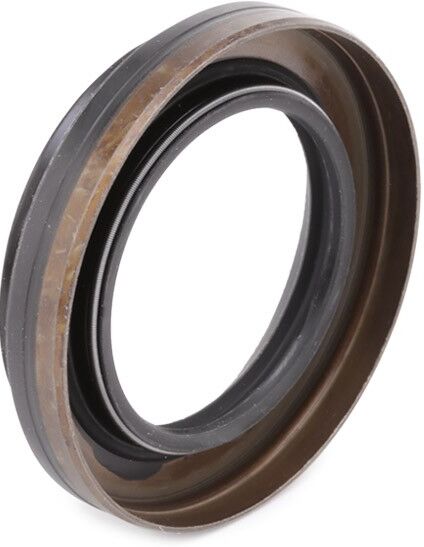

Similar search terms for CORTECO-01025620B-Shaft-Seal
Top-Angebote
Products related to CORTECO-01025620B-Shaft-Seal:


-
What is the difference between an independent and a dependent power take-off (PTO) shaft?
An independent power take-off (PTO) shaft is a separate shaft that is connected directly to the transmission and operates independently of the tractor's clutch. This allows the PTO to continue running even when the tractor is stopped. On the other hand, a dependent PTO shaft is connected to the tractor's transmission and is driven by the tractor's clutch. This means that the PTO shaft only operates when the tractor is moving and the clutch is engaged. Overall, the main difference is that an independent PTO shaft operates independently of the tractor's movement, while a dependent PTO shaft is reliant on the tractor's movement and clutch engagement. **
-
How does a power take-off (PTO) shaft work?
A power take-off (PTO) shaft is a mechanical component that transfers power from a vehicle's engine to another piece of equipment, such as a pump or a generator. The PTO shaft is connected to the engine's flywheel and is driven by the engine's rotation. This rotational energy is then transferred through the PTO shaft to the attached equipment, allowing it to perform its intended function. PTO shafts are commonly used in agricultural machinery, trucks, and industrial equipment to power various implements and attachments. **
-
What about the shaft?
The shaft is a long, narrow part of a structure or object that typically provides support or serves as a passageway. In the context of machinery or equipment, the shaft is often used to transmit power or motion from one part to another. It is important to ensure that the shaft is properly aligned, lubricated, and maintained to prevent wear and damage, which can lead to equipment failure. **
-
Is sealing tape sufficient to seal a cooktop?
Sealing tape is not sufficient to seal a cooktop. Cooktops require a heat-resistant sealant to ensure that they are properly sealed and safe to use. Sealing tape may not be able to withstand the high temperatures generated by the cooktop and could potentially melt or degrade over time. It is important to use the appropriate sealant recommended by the manufacturer to ensure the cooktop is properly sealed and functioning safely. **

How can you seal a self-made keychain?
To seal a self-made keychain, you can use a clear sealant or resin. First, make sure your keychain is completely dry and free of any dust or debris. Then, apply a thin layer of the sealant or resin over the entire surface of the keychain, making sure to cover all sides and edges. Allow it to dry completely according to the product instructions before using the keychain. This will help protect your keychain from wear and tear and give it a shiny, finished look. **
How can one seal a self-made keychain?
To seal a self-made keychain, you can use a clear sealant or resin. First, make sure your keychain is completely dry and free of any dust or debris. Then, apply a thin layer of the sealant or resin over the entire surface of the keychain, making sure to cover all areas evenly. Allow it to dry completely according to the product instructions before attaching it to your keys. This will help protect your keychain and keep it looking new for longer. **
Top-Angebote
Products related to CORTECO-01025620B-Shaft-Seal:
-
CORTECO 01025620B Shaft Seal, differentialInner Diameter 1 [mm]: 44; Height 1 [mm]: 10; Height 2 [mm]: 15,5; Outer Diameter 1 [mm]: 67; Fitting Position: Outlet; Fitting Position: Rear Axle, Front, Left, Rear, inner; Swirl Type: Alternating Twist; Dust Cover: with dust lip; Transmission Type: 6-Speed Manual Transmission; Transmission Code: M66; TecDoc Engine Number: 24908, 27000, 24920, 24919, 26635, 24986, 24904, 24909, 26634; Engine Code: 30DDTX7,29 £*Shipping: 8,45 £Secure redirect to the provider
-
What is the difference between a power take-off shaft and a drive shaft?
A power take-off (PTO) shaft is a type of drive shaft that transfers power from a vehicle's engine to an attachment or implement, such as a pump or generator. The main difference between a PTO shaft and a regular drive shaft is that a PTO shaft is specifically designed to transfer power to external equipment, while a drive shaft is typically used to transfer power within a vehicle's transmission or between different components of a vehicle. Additionally, PTO shafts are often detachable and can be connected and disconnected as needed, whereas a drive shaft is a permanent component of a vehicle's drivetrain. **
-
What is the difference between a power take-off shaft and a universal joint shaft?
A power take-off (PTO) shaft is a mechanical component that transfers power from a tractor or other source to an implement or attachment. It is typically used in agricultural machinery and operates at a constant speed. On the other hand, a universal joint shaft is a flexible coupling that allows for the transfer of power between two shafts that are not in a straight line. It is commonly used in automotive and industrial applications and can accommodate changes in angle and distance between the shafts. In summary, the main difference between the two is their intended use and flexibility. **
-
What is the difference between an independent and a dependent power take-off (PTO) shaft?
An independent power take-off (PTO) shaft is a separate shaft that is connected directly to the transmission and operates independently of the tractor's clutch. This allows the PTO to continue running even when the tractor is stopped. On the other hand, a dependent PTO shaft is connected to the tractor's transmission and is driven by the tractor's clutch. This means that the PTO shaft only operates when the tractor is moving and the clutch is engaged. Overall, the main difference is that an independent PTO shaft operates independently of the tractor's movement, while a dependent PTO shaft is reliant on the tractor's movement and clutch engagement. **
-
How does a power take-off (PTO) shaft work?
A power take-off (PTO) shaft is a mechanical component that transfers power from a vehicle's engine to another piece of equipment, such as a pump or a generator. The PTO shaft is connected to the engine's flywheel and is driven by the engine's rotation. This rotational energy is then transferred through the PTO shaft to the attached equipment, allowing it to perform its intended function. PTO shafts are commonly used in agricultural machinery, trucks, and industrial equipment to power various implements and attachments. **
Similar search terms for CORTECO-01025620B-Shaft-Seal
-
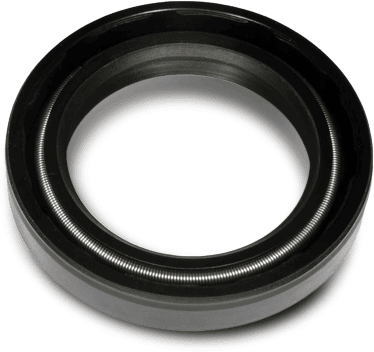
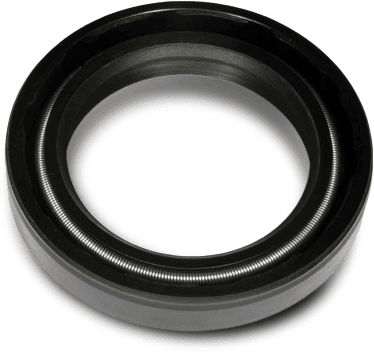
CORTECO 01019477B Shaft Seal, differentialHeight 1 [mm]: 10; Height 2 [mm]: 14; Outer Diameter 1 [mm]: 61; Inner Diameter 1 [mm]: 37; Swirl Type: Right-hand Twist; for OE number: 0239979047; Fitting Position: Rear Axle, Inlet; Braking/Driving Dynamics: for vehicles without ASD; Vehicle Equipment: for vehicles without self-locking differential5,59 £*Shipping: 8,45 £Secure redirect to the provider
-
What about the shaft?
The shaft is a long, narrow part of a structure or object that typically provides support or serves as a passageway. In the context of machinery or equipment, the shaft is often used to transmit power or motion from one part to another. It is important to ensure that the shaft is properly aligned, lubricated, and maintained to prevent wear and damage, which can lead to equipment failure. **
-
Is sealing tape sufficient to seal a cooktop?
Sealing tape is not sufficient to seal a cooktop. Cooktops require a heat-resistant sealant to ensure that they are properly sealed and safe to use. Sealing tape may not be able to withstand the high temperatures generated by the cooktop and could potentially melt or degrade over time. It is important to use the appropriate sealant recommended by the manufacturer to ensure the cooktop is properly sealed and functioning safely. **
-
How can you seal a self-made keychain?
To seal a self-made keychain, you can use a clear sealant or resin. First, make sure your keychain is completely dry and free of any dust or debris. Then, apply a thin layer of the sealant or resin over the entire surface of the keychain, making sure to cover all sides and edges. Allow it to dry completely according to the product instructions before using the keychain. This will help protect your keychain from wear and tear and give it a shiny, finished look. **
-
How can one seal a self-made keychain?
To seal a self-made keychain, you can use a clear sealant or resin. First, make sure your keychain is completely dry and free of any dust or debris. Then, apply a thin layer of the sealant or resin over the entire surface of the keychain, making sure to cover all areas evenly. Allow it to dry completely according to the product instructions before attaching it to your keys. This will help protect your keychain and keep it looking new for longer. **
* All prices are inclusive of VAT and, if applicable, plus shipping costs. The offer information is based on the details provided by the respective shop and is updated through automated processes. Real-time updates do not occur, so deviations can occur in individual cases. ** Note: Parts of this content were created by AI.