Buy autark.eu ?
We are moving the project
autark.eu .
Are you interested in purchasing the domain
autark.eu ?
domain@kv-gmbh.de · 0541-91531010
Buy autark.eu ?
What is China's motivation for renewable energy instead of nuclear or coal?
China's motivation for investing in renewable energy instead of nuclear or coal is driven by several factors. Firstly, China is the world's largest emitter of greenhouse gases, and transitioning to renewable energy sources helps the country reduce its carbon footprint and combat climate change. Additionally, renewable energy sources like solar and wind power are becoming increasingly cost-competitive with coal and nuclear power, making them a more attractive option for China's energy needs. Finally, investing in renewable energy helps China reduce its dependence on imported fossil fuels, enhancing energy security and promoting domestic energy production. **
Why are oil, natural gas, and coal not examples of sustainable resources?
Oil, natural gas, and coal are not examples of sustainable resources because they are finite and non-renewable sources of energy. Once these resources are extracted and burned, they cannot be replaced within a human lifetime. Additionally, the extraction and burning of these fossil fuels contribute to environmental degradation and climate change. Therefore, relying on these resources for energy production is not sustainable in the long term. **

Similar search terms for Coal
Top-Angebote
Products related to Coal:
-
Superior Eco-Friendly Sustainable Cotton 12-Piece Bathroom Towel SetMade with incredibly soft recycled cotton, the Eco-Friendly Sustainable Cotton Bathroom Towel Set is the perfect green addition to any bathroom space. Our sustainable Cotton towels are lightweight to get you dry quickly after a shower or bath.76,62 $*Shipping: 0,00 $Secure redirect to the provider
-
Superior Eco-Friendly Sustainable Cotton 6-Piece Bathroom Towel SetMade with incredibly soft recycled cotton, the Eco-Friendly Sustainable Cotton Bathroom Towel Set is the perfect green addition to any bathroom space. Our sustainable Cotton towels have a lightweight to get you dry quickly after a shower or bath.43,64 $*Shipping: 0,00 $Secure redirect to the provider




-
Does anyone know what this poem is about? Coal, black coal.
The poem "Coal, black coal" likely explores the themes of darkness, heaviness, and perhaps the idea of something being buried or hidden. The repetition of the word "coal" suggests a focus on this specific element and its symbolic significance. The color black often represents mystery, power, or even death, so the poem may delve into these deeper meanings associated with coal. Ultimately, the interpretation of the poem may vary depending on the reader's perspective and personal experiences. **
-
What is more environmentally friendly: coal power plants or nuclear power plants?
Nuclear power plants are generally considered more environmentally friendly than coal power plants. While both types of plants produce electricity with low greenhouse gas emissions, coal power plants release higher levels of carbon dioxide, sulfur dioxide, and nitrogen oxides, contributing to air pollution and climate change. On the other hand, nuclear power plants produce no greenhouse gas emissions during operation and have a smaller environmental footprint in terms of land use and waste generation. However, nuclear power plants do pose risks related to radioactive waste disposal and the potential for accidents, which must be carefully managed. **
-
When was coal discovered?
Coal was discovered in ancient times, with evidence of its use dating back to around 3000 BC in China. However, it became more widely used during the Industrial Revolution in the 18th century, when it played a crucial role in powering steam engines and fueling factories. The discovery of coal revolutionized industries and transportation, leading to significant advancements in technology and infrastructure. **
-
Can you eat coal?
No, coal is not safe or edible for human consumption. Coal is a fossil fuel that is primarily made up of carbon and other elements, and it is not meant to be ingested. Eating coal can be harmful to your health and can lead to serious health issues such as digestive problems, respiratory issues, and poisoning. It is important to avoid consuming coal and to seek medical help if accidentally ingested. **


How is coal formed?
Coal is formed from the remains of ancient plants that were buried and subjected to high pressure and heat over millions of years. The process begins with the accumulation of plant material in swamps and marshes, which is then buried by layers of sediment. As the plant material is buried deeper, the heat and pressure cause physical and chemical changes, transforming it into peat, then lignite, and eventually into coal. This process, known as coalification, takes millions of years and results in the formation of different types of coal, such as anthracite, bituminous, and sub-bituminous coal. **
Can coal be liquefied?
Yes, coal can be liquefied through a process called coal liquefaction. There are two main methods for coal liquefaction: direct liquefaction and indirect liquefaction. Direct liquefaction involves heating coal in the presence of hydrogen and a catalyst to produce liquid hydrocarbons. Indirect liquefaction involves first gasifying the coal to produce syngas, which is then converted into liquid hydrocarbons through a process like Fischer-Tropsch synthesis. Both methods have been developed as a way to produce liquid fuels from coal as an alternative to traditional petroleum-based fuels. **
Top-Angebote
Products related to Coal:
-
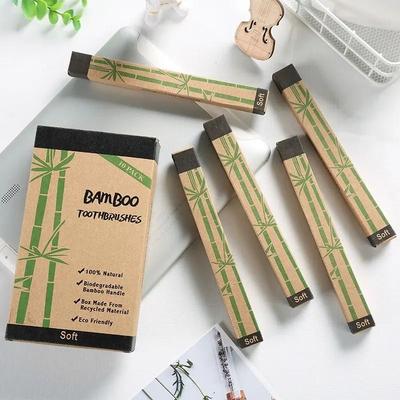
Uplift Essentials Natural Bamboo Eco Friendly Toothbrush 10 Piece Sustainable Family Pack Natural Bamboo Eco Friendly Toothbrush 10 Piece Sustainable Family PackTransition to a greener routine with this Natural Bamboo Toothbrush Set, a premium collection of bamboo products designed to reduce environmental impact without compromising on performance. Each handle is crafted from 100% sustainable bamboo,...37,97 $*Shipping: 0,00 $Secure redirect to the provider
-
Superior Eco-Friendly Sustainable Cotton 12-Piece Bathroom Towel SetMade with incredibly soft recycled cotton, the Eco-Friendly Sustainable Cotton Bathroom Towel Set is the perfect green addition to any bathroom space. Our sustainable Cotton towels are lightweight to get you dry quickly after a shower or bath.76,62 $*Shipping: 0,00 $Secure redirect to the provider
-
Superior Eco-Friendly Sustainable Cotton 6-Piece Bathroom Towel SetMade with incredibly soft recycled cotton, the Eco-Friendly Sustainable Cotton Bathroom Towel Set is the perfect green addition to any bathroom space. Our sustainable Cotton towels have a lightweight to get you dry quickly after a shower or bath.43,64 $*Shipping: 0,00 $Secure redirect to the provider
-
What is China's motivation for renewable energy instead of nuclear or coal?
China's motivation for investing in renewable energy instead of nuclear or coal is driven by several factors. Firstly, China is the world's largest emitter of greenhouse gases, and transitioning to renewable energy sources helps the country reduce its carbon footprint and combat climate change. Additionally, renewable energy sources like solar and wind power are becoming increasingly cost-competitive with coal and nuclear power, making them a more attractive option for China's energy needs. Finally, investing in renewable energy helps China reduce its dependence on imported fossil fuels, enhancing energy security and promoting domestic energy production. **
-
Why are oil, natural gas, and coal not examples of sustainable resources?
Oil, natural gas, and coal are not examples of sustainable resources because they are finite and non-renewable sources of energy. Once these resources are extracted and burned, they cannot be replaced within a human lifetime. Additionally, the extraction and burning of these fossil fuels contribute to environmental degradation and climate change. Therefore, relying on these resources for energy production is not sustainable in the long term. **
-
Does anyone know what this poem is about? Coal, black coal.
The poem "Coal, black coal" likely explores the themes of darkness, heaviness, and perhaps the idea of something being buried or hidden. The repetition of the word "coal" suggests a focus on this specific element and its symbolic significance. The color black often represents mystery, power, or even death, so the poem may delve into these deeper meanings associated with coal. Ultimately, the interpretation of the poem may vary depending on the reader's perspective and personal experiences. **
-
What is more environmentally friendly: coal power plants or nuclear power plants?
Nuclear power plants are generally considered more environmentally friendly than coal power plants. While both types of plants produce electricity with low greenhouse gas emissions, coal power plants release higher levels of carbon dioxide, sulfur dioxide, and nitrogen oxides, contributing to air pollution and climate change. On the other hand, nuclear power plants produce no greenhouse gas emissions during operation and have a smaller environmental footprint in terms of land use and waste generation. However, nuclear power plants do pose risks related to radioactive waste disposal and the potential for accidents, which must be carefully managed. **
Similar search terms for Coal
-
Superior Eco-Friendly Sustainable Cotton 6-Piece Bathroom Towel SetMade with incredibly soft recycled cotton, the Eco-Friendly Sustainable Cotton Bathroom Towel Set is the perfect green addition to any bathroom space. Our sustainable Cotton towels have a lightweight to get you dry quickly after a shower or bath.38,69 $*Shipping: 0,00 $Secure redirect to the provider
-
Superior Eco-Friendly Sustainable Cotton 6-Piece Bathroom Towel SetMade with incredibly soft recycled cotton, the Eco-Friendly Sustainable Cotton Bathroom Towel Set is the perfect green addition to any bathroom space. Our sustainable Cotton towels have a lightweight to get you dry quickly after a shower or bath.40,49 $*Shipping: 0,00 $Secure redirect to the provider
-
When was coal discovered?
Coal was discovered in ancient times, with evidence of its use dating back to around 3000 BC in China. However, it became more widely used during the Industrial Revolution in the 18th century, when it played a crucial role in powering steam engines and fueling factories. The discovery of coal revolutionized industries and transportation, leading to significant advancements in technology and infrastructure. **
-
Can you eat coal?
No, coal is not safe or edible for human consumption. Coal is a fossil fuel that is primarily made up of carbon and other elements, and it is not meant to be ingested. Eating coal can be harmful to your health and can lead to serious health issues such as digestive problems, respiratory issues, and poisoning. It is important to avoid consuming coal and to seek medical help if accidentally ingested. **
-
How is coal formed?
Coal is formed from the remains of ancient plants that were buried and subjected to high pressure and heat over millions of years. The process begins with the accumulation of plant material in swamps and marshes, which is then buried by layers of sediment. As the plant material is buried deeper, the heat and pressure cause physical and chemical changes, transforming it into peat, then lignite, and eventually into coal. This process, known as coalification, takes millions of years and results in the formation of different types of coal, such as anthracite, bituminous, and sub-bituminous coal. **
-
Can coal be liquefied?
Yes, coal can be liquefied through a process called coal liquefaction. There are two main methods for coal liquefaction: direct liquefaction and indirect liquefaction. Direct liquefaction involves heating coal in the presence of hydrogen and a catalyst to produce liquid hydrocarbons. Indirect liquefaction involves first gasifying the coal to produce syngas, which is then converted into liquid hydrocarbons through a process like Fischer-Tropsch synthesis. Both methods have been developed as a way to produce liquid fuels from coal as an alternative to traditional petroleum-based fuels. **
* All prices are inclusive of VAT and, if applicable, plus shipping costs. The offer information is based on the details provided by the respective shop and is updated through automated processes. Real-time updates do not occur, so deviations can occur in individual cases. ** Note: Parts of this content were created by AI.