Buy autark.eu ?
We are moving the project
autark.eu .
Are you interested in purchasing the domain
autark.eu ?
domain@kv-gmbh.de · 0541-91531010
Buy autark.eu ?
Can a hermaphrodite with both sex organs self-fertilize?
Yes, hermaphrodites with both male and female sex organs have the potential to self-fertilize. In some species, hermaphrodites have the ability to produce both eggs and sperm, allowing them to fertilize their own eggs. This process is known as self-fertilization or selfing. However, not all hermaphrodites are capable of self-fertilization, as it depends on the specific reproductive biology of the individual species. **
Can a hermaphrodite with both sexual organs self-fertilize?
Yes, hermaphrodites with both male and female sexual organs have the potential to self-fertilize. This means that they can produce offspring without the need for a mate. However, self-fertilization is not always the preferred method of reproduction for hermaphrodites, as it can limit genetic diversity and increase the risk of harmful genetic mutations. In many cases, hermaphrodites will still seek out a mate for sexual reproduction. **

Similar search terms for Fertilize
Top-Angebote
Products related to Fertilize:
-
Superior Eco-Friendly Sustainable Cotton 12-Piece Bathroom Towel SetMade with incredibly soft recycled cotton, the Eco-Friendly Sustainable Cotton Bathroom Towel Set is the perfect green addition to any bathroom space. Our sustainable Cotton towels are lightweight to get you dry quickly after a shower or bath.76,62 $*Shipping: 0,00 $Secure redirect to the provider
-
Superior Eco-Friendly Sustainable Cotton 6-Piece Bathroom Towel SetMade with incredibly soft recycled cotton, the Eco-Friendly Sustainable Cotton Bathroom Towel Set is the perfect green addition to any bathroom space. Our sustainable Cotton towels have a lightweight to get you dry quickly after a shower or bath.42,19 $*Shipping: 0,00 $Secure redirect to the provider
-
Superior Eco-Friendly Sustainable Cotton 12-Piece Bathroom Towel SetMade with incredibly soft recycled cotton, the Eco-Friendly Sustainable Cotton Bathroom Towel Set is the perfect green addition to any bathroom space. Our sustainable Cotton towels are lightweight to get you dry quickly after a shower or bath.63,19 $*Shipping: 0,00 $Secure redirect to the provider
-
Superior Eco-Friendly Sustainable Cotton 12-Piece Bathroom Towel SetMade with incredibly soft recycled cotton, the Eco-Friendly Sustainable Cotton Bathroom Towel Set is the perfect green addition to any bathroom space. Our sustainable Cotton towels are lightweight to get you dry quickly after a shower or bath.62,31 $*Shipping: 0,00 $Secure redirect to the provider




-
Should one fertilize before sowing?
It is generally recommended to fertilize before sowing to provide essential nutrients for the seeds to germinate and grow. Fertilizing the soil before sowing can help improve soil fertility, promote healthy plant growth, and increase crop yield. However, it is important to follow the recommended application rates and timings for fertilizers to avoid nutrient imbalances or damage to the seeds. **
-
How often do you fertilize?
I fertilize my plants every 2-4 weeks during the growing season, which is typically spring and summer. I use a balanced liquid fertilizer to provide essential nutrients for healthy growth. During the fall and winter months, I reduce the frequency of fertilizing to once every 6-8 weeks or as needed based on the plant's condition. It's important to follow the specific fertilizing recommendations for each type of plant to avoid over-fertilization. **
-
How do you fertilize bonsai?
Fertilizing bonsai is essential for their health and growth. It is recommended to use a balanced, water-soluble fertilizer specifically designed for bonsai trees. Fertilize your bonsai during the growing season, typically from spring to fall, following the instructions on the fertilizer package. Be sure to dilute the fertilizer to avoid burning the roots, and apply it to the soil surface rather than the foliage. Additionally, it is important to regularly flush the soil with water to prevent salt buildup from the fertilizer. **
-
How do you fertilize rhubarb?
To fertilize rhubarb, you can apply a balanced fertilizer in the early spring before new growth begins. Use a fertilizer with a ratio of 10-10-10 or similar, and apply it around the base of the plant according to the package instructions. Avoid over-fertilizing, as this can lead to excessive leaf growth at the expense of the edible stalks. Additionally, incorporating organic matter such as compost into the soil around the plant can also help provide nutrients for healthy growth. **


How do you fertilize succulents?
To fertilize succulents, it is important to use a balanced, water-soluble fertilizer diluted to half strength. This should be applied during the growing season, typically in the spring and summer months. It is important to avoid over-fertilizing, as this can lead to root burn and damage the plant. Additionally, it is best to apply the fertilizer to damp soil to prevent any potential burning of the roots. **
Does he fertilize sterilized soil?
No, he does not fertilize sterilized soil. Fertilizing sterilized soil would be unnecessary and ineffective, as sterilized soil has been treated to remove all living organisms, including beneficial bacteria and fungi that help plants absorb nutrients. Fertilizing is typically done in non-sterilized soil to provide essential nutrients for plant growth. **
Top-Angebote
Products related to Fertilize:
-
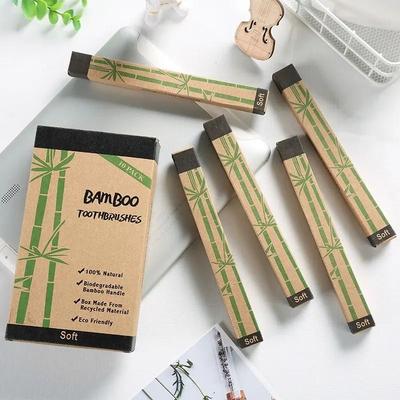
Uplift Essentials Natural Bamboo Eco Friendly Toothbrush 10 Piece Sustainable Family Pack Natural Bamboo Eco Friendly Toothbrush 10 Piece Sustainable Family PackTransition to a greener routine with this Natural Bamboo Toothbrush Set, a premium collection of bamboo products designed to reduce environmental impact without compromising on performance. Each handle is crafted from 100% sustainable bamboo,...37,97 $*Shipping: 0,00 $Secure redirect to the provider
-
Superior Eco-Friendly Sustainable Cotton 6-Piece Bathroom Towel SetMade with incredibly soft recycled cotton, the Eco-Friendly Sustainable Cotton Bathroom Towel Set is the perfect green addition to any bathroom space. Our sustainable Cotton towels have a lightweight to get you dry quickly after a shower or bath.40,49 $*Shipping: 0,00 $Secure redirect to the provider
-
Superior Eco-Friendly Sustainable Cotton 12-Piece Bathroom Towel SetMade with incredibly soft recycled cotton, the Eco-Friendly Sustainable Cotton Bathroom Towel Set is the perfect green addition to any bathroom space. Our sustainable Cotton towels are lightweight to get you dry quickly after a shower or bath.76,62 $*Shipping: 0,00 $Secure redirect to the provider
-
Superior Eco-Friendly Sustainable Cotton 6-Piece Bathroom Towel SetMade with incredibly soft recycled cotton, the Eco-Friendly Sustainable Cotton Bathroom Towel Set is the perfect green addition to any bathroom space. Our sustainable Cotton towels have a lightweight to get you dry quickly after a shower or bath.42,19 $*Shipping: 0,00 $Secure redirect to the provider
-
Can a hermaphrodite with both sex organs self-fertilize?
Yes, hermaphrodites with both male and female sex organs have the potential to self-fertilize. In some species, hermaphrodites have the ability to produce both eggs and sperm, allowing them to fertilize their own eggs. This process is known as self-fertilization or selfing. However, not all hermaphrodites are capable of self-fertilization, as it depends on the specific reproductive biology of the individual species. **
-
Can a hermaphrodite with both sexual organs self-fertilize?
Yes, hermaphrodites with both male and female sexual organs have the potential to self-fertilize. This means that they can produce offspring without the need for a mate. However, self-fertilization is not always the preferred method of reproduction for hermaphrodites, as it can limit genetic diversity and increase the risk of harmful genetic mutations. In many cases, hermaphrodites will still seek out a mate for sexual reproduction. **
-
Should one fertilize before sowing?
It is generally recommended to fertilize before sowing to provide essential nutrients for the seeds to germinate and grow. Fertilizing the soil before sowing can help improve soil fertility, promote healthy plant growth, and increase crop yield. However, it is important to follow the recommended application rates and timings for fertilizers to avoid nutrient imbalances or damage to the seeds. **
-
How often do you fertilize?
I fertilize my plants every 2-4 weeks during the growing season, which is typically spring and summer. I use a balanced liquid fertilizer to provide essential nutrients for healthy growth. During the fall and winter months, I reduce the frequency of fertilizing to once every 6-8 weeks or as needed based on the plant's condition. It's important to follow the specific fertilizing recommendations for each type of plant to avoid over-fertilization. **
Similar search terms for Fertilize
-
Superior Eco-Friendly Sustainable Cotton 12-Piece Bathroom Towel SetMade with incredibly soft recycled cotton, the Eco-Friendly Sustainable Cotton Bathroom Towel Set is the perfect green addition to any bathroom space. Our sustainable Cotton towels are lightweight to get you dry quickly after a shower or bath.63,19 $*Shipping: 0,00 $Secure redirect to the provider
-
Superior Eco-Friendly Sustainable Cotton 12-Piece Bathroom Towel SetMade with incredibly soft recycled cotton, the Eco-Friendly Sustainable Cotton Bathroom Towel Set is the perfect green addition to any bathroom space. Our sustainable Cotton towels are lightweight to get you dry quickly after a shower or bath.62,31 $*Shipping: 0,00 $Secure redirect to the provider
-
Superior Eco-Friendly Sustainable Cotton 12-Piece Bathroom Towel SetMade with incredibly soft recycled cotton, the Eco-Friendly Sustainable Cotton Bathroom Towel Set is the perfect green addition to any bathroom space. Our sustainable Cotton towels are lightweight to get you dry quickly after a shower or bath.78,56 $*Shipping: 0,00 $Secure redirect to the provider
-
Superior Eco-Friendly Sustainable Cotton 12-Piece Bathroom Towel SetMade with incredibly soft recycled cotton, the Eco-Friendly Sustainable Cotton Bathroom Towel Set is the perfect green addition to any bathroom space. Our sustainable Cotton towels are lightweight to get you dry quickly after a shower or bath.61,90 $*Shipping: 0,00 $Secure redirect to the provider
-
How do you fertilize bonsai?
Fertilizing bonsai is essential for their health and growth. It is recommended to use a balanced, water-soluble fertilizer specifically designed for bonsai trees. Fertilize your bonsai during the growing season, typically from spring to fall, following the instructions on the fertilizer package. Be sure to dilute the fertilizer to avoid burning the roots, and apply it to the soil surface rather than the foliage. Additionally, it is important to regularly flush the soil with water to prevent salt buildup from the fertilizer. **
-
How do you fertilize rhubarb?
To fertilize rhubarb, you can apply a balanced fertilizer in the early spring before new growth begins. Use a fertilizer with a ratio of 10-10-10 or similar, and apply it around the base of the plant according to the package instructions. Avoid over-fertilizing, as this can lead to excessive leaf growth at the expense of the edible stalks. Additionally, incorporating organic matter such as compost into the soil around the plant can also help provide nutrients for healthy growth. **
-
How do you fertilize succulents?
To fertilize succulents, it is important to use a balanced, water-soluble fertilizer diluted to half strength. This should be applied during the growing season, typically in the spring and summer months. It is important to avoid over-fertilizing, as this can lead to root burn and damage the plant. Additionally, it is best to apply the fertilizer to damp soil to prevent any potential burning of the roots. **
-
Does he fertilize sterilized soil?
No, he does not fertilize sterilized soil. Fertilizing sterilized soil would be unnecessary and ineffective, as sterilized soil has been treated to remove all living organisms, including beneficial bacteria and fungi that help plants absorb nutrients. Fertilizing is typically done in non-sterilized soil to provide essential nutrients for plant growth. **
* All prices are inclusive of VAT and, if applicable, plus shipping costs. The offer information is based on the details provided by the respective shop and is updated through automated processes. Real-time updates do not occur, so deviations can occur in individual cases. ** Note: Parts of this content were created by AI.