Buy autark.eu ?
We are moving the project
autark.eu .
Are you interested in purchasing the domain
autark.eu ?
domain@kv-gmbh.de · 0541-91531010
Buy autark.eu ?
Can rabbits eat corn flakes and pea flakes?
Rabbits should not be fed corn flakes or pea flakes as they are processed foods that are not suitable for their digestive systems. These types of flakes are high in sugar, salt, and other additives that can be harmful to rabbits. It is best to stick to a diet of hay, fresh vegetables, and a small amount of pellets specifically formulated for rabbits to ensure they are getting the proper nutrition. **
Are buckwheat flakes and millet flakes edible raw?
Yes, both buckwheat flakes and millet flakes are edible raw. They are typically processed and rolled into flakes, making them easy to digest and enjoy without cooking. You can add them to yogurt, smoothies, or use them as a topping for salads or desserts. However, some people may prefer to soak them in liquid before consuming to soften them slightly. **

Similar search terms for Flakes
Top-Angebote
Products related to Flakes:
-
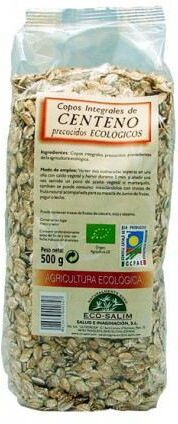
ECO-SALIM Rye Flakes Eco 500 gr 500 grNutrition and Supplements Cereals, Pasta and Legumes ECO-SALIM Rye Flakes Eco 500 gr 500 gr An option to complement your breakfasts and snacks in a healthy and complete way based on whole grain organic rye flakes.1,50 £*Shipping: 3,99 £Secure redirect to the provider
-
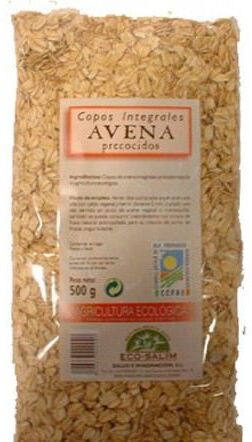
ECO-SALIM Oat Flakes Eco 1 Kg 1 KgNutrition and Supplements Cereals, Pasta and Legumes ECO-SALIM Oat Flakes Eco 1 Kg 1 Kg If something stands out for oats, it is for its enormous contribution of energy. If this cereal already has a lot of fiber, in this case it is even more integral to the treated flakes, due to its high beta glucan content, without forgetting all its antioxidant properties.2,82 £*Shipping: 4,99 £Secure redirect to the provider
-
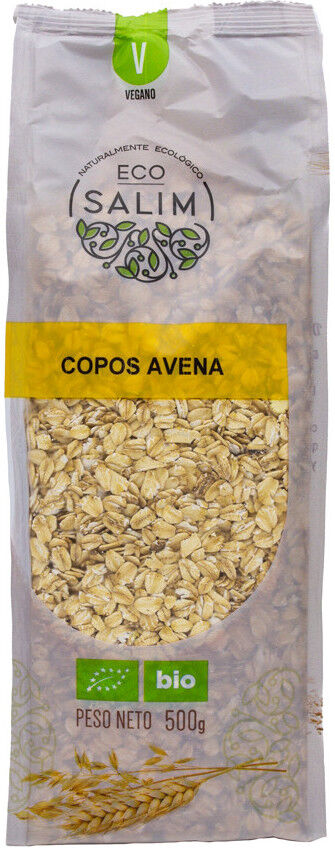
ECO-SALIM Oat Flakes Eco 500 gr 500 grNutrition and Supplements Cereals, Pasta and Legumes ECO-SALIM Oat Flakes Eco 500 gr 500 gr Whole oat flakes. It is a product suitable for both vegans and vegetarians. You can take them directly with yogurt or soaked in vegetable drinks or derivatives, juices, etc. You can also bake them or use them to make different recipes (cookies, cakes, etc.) Store at room temperature in a cool, dry place protected from light1,64 £*Shipping: 3,99 £Secure redirect to the provider

-
Why don't old skin flakes come off?
Old skin flakes don't come off easily because they are held in place by a combination of natural oils, sweat, and dead skin cells. These substances create a protective barrier that can make it difficult for the old skin flakes to naturally slough off. Additionally, as we age, the skin's natural shedding process can slow down, leading to a buildup of old skin cells. Regular exfoliation and proper skincare can help to remove these old skin flakes and promote a healthy skin turnover. **
-
Are beer yeast flakes the same as yeast flakes?
Beer yeast flakes and yeast flakes are not the same. Beer yeast flakes are specifically derived from the yeast used in the beer-making process, while yeast flakes can refer to nutritional yeast flakes, which are a deactivated form of yeast commonly used as a food supplement. Beer yeast flakes may have a different flavor profile and may not be suitable for all the same culinary uses as nutritional yeast flakes. It's important to check the specific product and its intended use before substituting one for the other. **
-
'Flakes or dandruff?'
Flakes and dandruff are often used interchangeably to describe the white, oily-looking skin flakes that can appear on the scalp. However, dandruff specifically refers to a common skin condition called seborrheic dermatitis, which causes flaky, itchy skin on the scalp. Flakes, on the other hand, can be a more general term used to describe any type of dry, dead skin that sheds from the scalp. It's important to properly diagnose the cause of flakes to determine the best treatment approach. **
-
Are whole grain oat flakes healthier than tender oat flakes?
Whole grain oat flakes are generally considered healthier than tender oat flakes because they contain the entire grain, including the bran and germ, which are rich in fiber, vitamins, and minerals. This means that whole grain oat flakes provide more nutritional benefits and can help with digestion, heart health, and weight management. Tender oat flakes, on the other hand, are processed and may have some of the nutrients removed during production. Therefore, whole grain oat flakes are a better choice for overall health and well-being. **
Who invented oatmeal flakes?
Oatmeal flakes were invented by Ferdinand Schumacher in the late 19th century. Schumacher, a German immigrant living in the United States, revolutionized the way oats were processed by creating a method to steam and roll them into flakes. This innovation made oatmeal more convenient and easier to prepare, leading to its widespread popularity as a breakfast food. **
Who invented oat flakes?
Oat flakes were invented by Ferdinand Schumacher, a German immigrant living in the United States. In the late 1800s, Schumacher developed a process to steam and roll oats, creating the first oat flakes. This innovation revolutionized the way oats were consumed and paved the way for the popular breakfast food we know today. **
Top-Angebote
Products related to Flakes:
-
ECO-SALIM Mini Eco Oat Flakes 1 kgNutrition and Supplements Cereals, Pasta and Legumes ECO-SALIM Mini Eco Oat Flakes 1 kg Very complete cereal. Provides the body with slow absorption carbohydrates, fiber, proteins and minerals such as magnesium, iron, copper, zinc.3,34 £*Shipping: 4,99 £Secure redirect to the provider
-
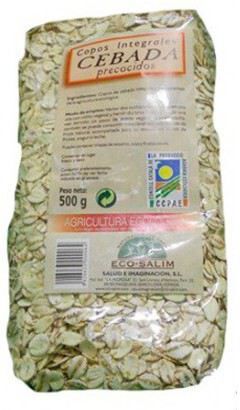
ECO-SALIM Barley Flakes Eco 500 gr 500 grNutrition and Supplements Cereals, Pasta and Legumes ECO-SALIM Barley Flakes Eco 500 gr 500 gr An option for your breakfasts and snacks in a healthy and complete way based on whole and organic cereals.1,58 £*Shipping: 3,99 £Secure redirect to the provider
-
ECO-SALIM Rye Flakes Eco 500 gr 500 grNutrition and Supplements Cereals, Pasta and Legumes ECO-SALIM Rye Flakes Eco 500 gr 500 gr An option to complement your breakfasts and snacks in a healthy and complete way based on whole grain organic rye flakes.1,50 £*Shipping: 3,99 £Secure redirect to the provider
-
Can rabbits eat corn flakes and pea flakes?
Rabbits should not be fed corn flakes or pea flakes as they are processed foods that are not suitable for their digestive systems. These types of flakes are high in sugar, salt, and other additives that can be harmful to rabbits. It is best to stick to a diet of hay, fresh vegetables, and a small amount of pellets specifically formulated for rabbits to ensure they are getting the proper nutrition. **
-
Are buckwheat flakes and millet flakes edible raw?
Yes, both buckwheat flakes and millet flakes are edible raw. They are typically processed and rolled into flakes, making them easy to digest and enjoy without cooking. You can add them to yogurt, smoothies, or use them as a topping for salads or desserts. However, some people may prefer to soak them in liquid before consuming to soften them slightly. **
-
Why don't old skin flakes come off?
Old skin flakes don't come off easily because they are held in place by a combination of natural oils, sweat, and dead skin cells. These substances create a protective barrier that can make it difficult for the old skin flakes to naturally slough off. Additionally, as we age, the skin's natural shedding process can slow down, leading to a buildup of old skin cells. Regular exfoliation and proper skincare can help to remove these old skin flakes and promote a healthy skin turnover. **
-
Are beer yeast flakes the same as yeast flakes?
Beer yeast flakes and yeast flakes are not the same. Beer yeast flakes are specifically derived from the yeast used in the beer-making process, while yeast flakes can refer to nutritional yeast flakes, which are a deactivated form of yeast commonly used as a food supplement. Beer yeast flakes may have a different flavor profile and may not be suitable for all the same culinary uses as nutritional yeast flakes. It's important to check the specific product and its intended use before substituting one for the other. **
Similar search terms for Flakes
-
ECO-SALIM Oat Flakes Eco 1 Kg 1 KgNutrition and Supplements Cereals, Pasta and Legumes ECO-SALIM Oat Flakes Eco 1 Kg 1 Kg If something stands out for oats, it is for its enormous contribution of energy. If this cereal already has a lot of fiber, in this case it is even more integral to the treated flakes, due to its high beta glucan content, without forgetting all its antioxidant properties.2,82 £*Shipping: 4,99 £Secure redirect to the provider
-
ECO-SALIM Oat Flakes Eco 500 gr 500 grNutrition and Supplements Cereals, Pasta and Legumes ECO-SALIM Oat Flakes Eco 500 gr 500 gr Whole oat flakes. It is a product suitable for both vegans and vegetarians. You can take them directly with yogurt or soaked in vegetable drinks or derivatives, juices, etc. You can also bake them or use them to make different recipes (cookies, cakes, etc.) Store at room temperature in a cool, dry place protected from light1,64 £*Shipping: 3,99 £Secure redirect to the provider
-
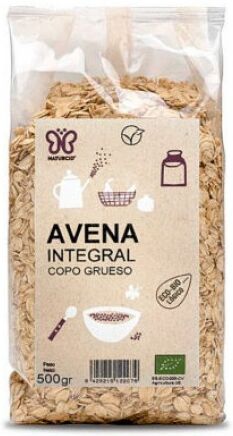
Naturcid Eco Thick Oat Flakes 500 grNutrition and Supplements Cereals, Pasta and Legumes Naturcid Eco Thick Oat Flakes 500 gr Organic coarse oat flake. High content of fiber, phosphorus, iron, magnesium, thiamin and zinc. Source of potassium, and folic acid Helps reduce tiredness and fatigue. Contributes to the normal transport of oxygen in the body. Contributes to the normal functioning of the immune and nervous system. Contributes to electrolyte balance. It contributes to the maintenance of bones and teeth in normal conditions.1,72 £*Shipping: 3,99 £Secure redirect to the provider
-
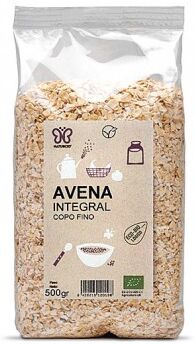
Naturcid Eco Mini Oat Flakes 500 grNutrition and Supplements Cereals, Pasta and Legumes Naturcid Eco Mini Oat Flakes 500 gr Wholemeal fine oat flakes, from the rolling of oat grains. High content of fiber, calcium, phosphorus, iron, magnesium, thiamin (vit. B1) and vitamin A. Source of potassium, zinc and folic acid High content exceeds 30% of NRV, source of exceeds 15% NRV Applications • Contributes normal functioning of the nervous and immune systems. • Contributes to the protection of cells against oxidative damage. • Contributes to normal energy metabolism. • Contributes to normal cognitive function. • Helps reduce tiredness and fatigue. • Contributes to electrolyte balance. How to use: Take with milk or yogurt or as an ingredient in: porridge, soups, salads, and other dishes. Prepared alone, raw or cooked. It contains gluten.1,87 £*Shipping: 3,99 £Secure redirect to the provider
-
'Flakes or dandruff?'
Flakes and dandruff are often used interchangeably to describe the white, oily-looking skin flakes that can appear on the scalp. However, dandruff specifically refers to a common skin condition called seborrheic dermatitis, which causes flaky, itchy skin on the scalp. Flakes, on the other hand, can be a more general term used to describe any type of dry, dead skin that sheds from the scalp. It's important to properly diagnose the cause of flakes to determine the best treatment approach. **
-
Are whole grain oat flakes healthier than tender oat flakes?
Whole grain oat flakes are generally considered healthier than tender oat flakes because they contain the entire grain, including the bran and germ, which are rich in fiber, vitamins, and minerals. This means that whole grain oat flakes provide more nutritional benefits and can help with digestion, heart health, and weight management. Tender oat flakes, on the other hand, are processed and may have some of the nutrients removed during production. Therefore, whole grain oat flakes are a better choice for overall health and well-being. **
-
Who invented oatmeal flakes?
Oatmeal flakes were invented by Ferdinand Schumacher in the late 19th century. Schumacher, a German immigrant living in the United States, revolutionized the way oats were processed by creating a method to steam and roll them into flakes. This innovation made oatmeal more convenient and easier to prepare, leading to its widespread popularity as a breakfast food. **
-
Who invented oat flakes?
Oat flakes were invented by Ferdinand Schumacher, a German immigrant living in the United States. In the late 1800s, Schumacher developed a process to steam and roll oats, creating the first oat flakes. This innovation revolutionized the way oats were consumed and paved the way for the popular breakfast food we know today. **
* All prices are inclusive of VAT and, if applicable, plus shipping costs. The offer information is based on the details provided by the respective shop and is updated through automated processes. Real-time updates do not occur, so deviations can occur in individual cases. ** Note: Parts of this content were created by AI.