Buy autark.eu ?
We are moving the project
autark.eu .
Are you interested in purchasing the domain
autark.eu ?
domain@kv-gmbh.de · 0541-91531010
Buy autark.eu ?
Is the depletion-type MOSFET self-conducting?
No, the depletion-type MOSFET is not self-conducting. It requires an external voltage to be applied to the gate terminal in order to control the flow of current between the source and drain terminals. The depletion-type MOSFET operates in the depletion mode, meaning that it conducts current when no voltage is applied to the gate terminal, unlike the enhancement-type MOSFET which requires a voltage to be applied to the gate terminal to allow current flow. **
What are MOSFET resistors?
MOSFET resistors are a type of resistor that use Metal-Oxide-Semiconductor Field-Effect Transistor (MOSFET) technology to provide precise and stable resistance values. They are commonly used in electronic circuits where high accuracy and stability are required, such as in precision voltage dividers, current sensing circuits, and feedback networks. MOSFET resistors offer advantages such as low temperature coefficient, high linearity, and low noise, making them suitable for a wide range of applications in electronics. **

Similar search terms for MOSFET
Top-Angebote
Products related to MOSFET:
-
Superior Eco-Friendly Sustainable Cotton 6-Piece Bathroom Towel SetMade with incredibly soft recycled cotton, the Eco-Friendly Sustainable Cotton Bathroom Towel Set is the perfect green addition to any bathroom space. Our sustainable Cotton towels have a lightweight to get you dry quickly after a shower or bath.43,64 $*Shipping: 0,00 $Secure redirect to the provider
-
Superior Eco-Friendly Sustainable Cotton 6-Piece Bathroom Towel SetMade with incredibly soft recycled cotton, the Eco-Friendly Sustainable Cotton Bathroom Towel Set is the perfect green addition to any bathroom space. Our sustainable Cotton towels have a lightweight to get you dry quickly after a shower or bath.38,69 $*Shipping: 0,00 $Secure redirect to the provider
-
Superior Eco-Friendly Sustainable Cotton 6-Piece Bathroom Towel SetMade with incredibly soft recycled cotton, the Eco-Friendly Sustainable Cotton Bathroom Towel Set is the perfect green addition to any bathroom space. Our sustainable Cotton towels have a lightweight to get you dry quickly after a shower or bath.40,49 $*Shipping: 0,00 $Secure redirect to the provider
-
Superior Eco-Friendly Sustainable Cotton 6-Piece Bathroom Towel SetMade with incredibly soft recycled cotton, the Eco-Friendly Sustainable Cotton Bathroom Towel Set is the perfect green addition to any bathroom space. Our sustainable Cotton towels have a lightweight to get you dry quickly after a shower or bath.42,19 $*Shipping: 0,00 $Secure redirect to the provider




-
How do MOSFET transistors die?
MOSFET transistors can die due to various reasons, including overvoltage, overcurrent, overheating, electrostatic discharge, and aging. Overvoltage can cause the gate oxide to break down, leading to a short circuit. Overcurrent can cause the transistor to overheat and damage the internal components. Electrostatic discharge can create a high voltage spike that can destroy the transistor. Additionally, as the transistor ages, the materials can degrade, leading to a decrease in performance and eventual failure. **
-
How is a MOSFET connected?
A MOSFET (Metal-Oxide-Semiconductor Field-Effect Transistor) is connected in a circuit by connecting its three terminals - gate, source, and drain. The gate terminal controls the flow of current between the source and drain terminals. The source terminal is where the current enters the MOSFET, while the drain terminal is where the current exits. The connections must be made in a way that allows the MOSFET to function according to the desired circuit operation. **
-
What is the difference between an enhancement-mode MOSFET and a depletion-mode MOSFET?
The main difference between an enhancement-mode MOSFET and a depletion-mode MOSFET lies in their default state of operation. In an enhancement-mode MOSFET, no current flows between the source and drain terminals when no voltage is applied to the gate terminal. In contrast, a depletion-mode MOSFET allows current to flow between the source and drain terminals in its default state without any gate voltage. Additionally, to turn on an enhancement-mode MOSFET, a positive voltage must be applied to the gate terminal, while a negative voltage is required to turn on a depletion-mode MOSFET. **
-
How do I properly turn off the P-channel MOSFET?
To properly turn off a P-channel MOSFET, you need to apply a positive voltage to the gate terminal relative to the source terminal. This positive voltage will reverse bias the P-N junction between the gate and the source, effectively turning off the MOSFET. It's important to ensure that the gate voltage is sufficiently higher than the source voltage to fully turn off the MOSFET and prevent any leakage current. Additionally, it's good practice to use a gate resistor to limit the current flowing into the gate terminal and protect the MOSFET from damage. **


How do you select a MOSFET?
When selecting a MOSFET, it is important to consider the required voltage and current ratings for your application. You should also consider the on-state resistance (Rds(on)) and the gate charge, as these parameters will affect the efficiency and switching speed of the MOSFET. Additionally, thermal considerations such as the maximum junction temperature and thermal resistance should be taken into account to ensure proper heat dissipation. Finally, it is important to consider the package type and any additional features such as built-in protection circuits that may be required for your specific application. **
What type of transistor is a MOSFET?
A MOSFET (Metal-Oxide-Semiconductor Field-Effect Transistor) is a type of field-effect transistor. It is a three-terminal semiconductor device that can be used for amplification or switching electronic signals. MOSFETs are widely used in digital and analog circuits due to their high input impedance, low power consumption, and fast switching speeds. **
Top-Angebote
Products related to MOSFET:
-
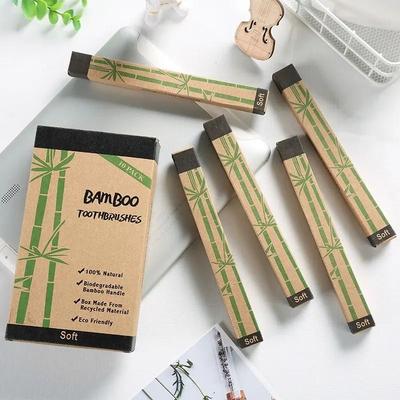
Uplift Essentials Natural Bamboo Eco Friendly Toothbrush 10 Piece Sustainable Family Pack Natural Bamboo Eco Friendly Toothbrush 10 Piece Sustainable Family PackTransition to a greener routine with this Natural Bamboo Toothbrush Set, a premium collection of bamboo products designed to reduce environmental impact without compromising on performance. Each handle is crafted from 100% sustainable bamboo,...37,97 $*Shipping: 0,00 $Secure redirect to the provider
-
Superior Eco-Friendly Sustainable Cotton 12-Piece Bathroom Towel SetMade with incredibly soft recycled cotton, the Eco-Friendly Sustainable Cotton Bathroom Towel Set is the perfect green addition to any bathroom space. Our sustainable Cotton towels are lightweight to get you dry quickly after a shower or bath.76,62 $*Shipping: 0,00 $Secure redirect to the provider
-
Superior Eco-Friendly Sustainable Cotton 6-Piece Bathroom Towel SetMade with incredibly soft recycled cotton, the Eco-Friendly Sustainable Cotton Bathroom Towel Set is the perfect green addition to any bathroom space. Our sustainable Cotton towels have a lightweight to get you dry quickly after a shower or bath.43,64 $*Shipping: 0,00 $Secure redirect to the provider
-
Superior Eco-Friendly Sustainable Cotton 6-Piece Bathroom Towel SetMade with incredibly soft recycled cotton, the Eco-Friendly Sustainable Cotton Bathroom Towel Set is the perfect green addition to any bathroom space. Our sustainable Cotton towels have a lightweight to get you dry quickly after a shower or bath.38,69 $*Shipping: 0,00 $Secure redirect to the provider
-
Is the depletion-type MOSFET self-conducting?
No, the depletion-type MOSFET is not self-conducting. It requires an external voltage to be applied to the gate terminal in order to control the flow of current between the source and drain terminals. The depletion-type MOSFET operates in the depletion mode, meaning that it conducts current when no voltage is applied to the gate terminal, unlike the enhancement-type MOSFET which requires a voltage to be applied to the gate terminal to allow current flow. **
-
What are MOSFET resistors?
MOSFET resistors are a type of resistor that use Metal-Oxide-Semiconductor Field-Effect Transistor (MOSFET) technology to provide precise and stable resistance values. They are commonly used in electronic circuits where high accuracy and stability are required, such as in precision voltage dividers, current sensing circuits, and feedback networks. MOSFET resistors offer advantages such as low temperature coefficient, high linearity, and low noise, making them suitable for a wide range of applications in electronics. **
-
How do MOSFET transistors die?
MOSFET transistors can die due to various reasons, including overvoltage, overcurrent, overheating, electrostatic discharge, and aging. Overvoltage can cause the gate oxide to break down, leading to a short circuit. Overcurrent can cause the transistor to overheat and damage the internal components. Electrostatic discharge can create a high voltage spike that can destroy the transistor. Additionally, as the transistor ages, the materials can degrade, leading to a decrease in performance and eventual failure. **
-
How is a MOSFET connected?
A MOSFET (Metal-Oxide-Semiconductor Field-Effect Transistor) is connected in a circuit by connecting its three terminals - gate, source, and drain. The gate terminal controls the flow of current between the source and drain terminals. The source terminal is where the current enters the MOSFET, while the drain terminal is where the current exits. The connections must be made in a way that allows the MOSFET to function according to the desired circuit operation. **
Similar search terms for MOSFET
-
Superior Eco-Friendly Sustainable Cotton 6-Piece Bathroom Towel SetMade with incredibly soft recycled cotton, the Eco-Friendly Sustainable Cotton Bathroom Towel Set is the perfect green addition to any bathroom space. Our sustainable Cotton towels have a lightweight to get you dry quickly after a shower or bath.40,49 $*Shipping: 0,00 $Secure redirect to the provider
-
Superior Eco-Friendly Sustainable Cotton 6-Piece Bathroom Towel SetMade with incredibly soft recycled cotton, the Eco-Friendly Sustainable Cotton Bathroom Towel Set is the perfect green addition to any bathroom space. Our sustainable Cotton towels have a lightweight to get you dry quickly after a shower or bath.42,19 $*Shipping: 0,00 $Secure redirect to the provider
-
Superior Eco-Friendly Sustainable Cotton 6-Piece Bathroom Towel SetMade with incredibly soft recycled cotton, the Eco-Friendly Sustainable Cotton Bathroom Towel Set is the perfect green addition to any bathroom space. Our sustainable Cotton towels have a lightweight to get you dry quickly after a shower or bath.43,16 $*Shipping: 0,00 $Secure redirect to the provider
-
Eco-Friendly Sustainable Cotton Washcloth by Superior (Set of 12)Made with incredibly soft recycled cotton, the Eco-Friendly Sustainable Cotton Bathroom Towel Set is the perfect green addition to any bathroom space. Our sustainable Cotton towels have a lightweight to get you dry quickly after a shower or bath.24,48 $*Shipping: 0,00 $Secure redirect to the provider
-
What is the difference between an enhancement-mode MOSFET and a depletion-mode MOSFET?
The main difference between an enhancement-mode MOSFET and a depletion-mode MOSFET lies in their default state of operation. In an enhancement-mode MOSFET, no current flows between the source and drain terminals when no voltage is applied to the gate terminal. In contrast, a depletion-mode MOSFET allows current to flow between the source and drain terminals in its default state without any gate voltage. Additionally, to turn on an enhancement-mode MOSFET, a positive voltage must be applied to the gate terminal, while a negative voltage is required to turn on a depletion-mode MOSFET. **
-
How do I properly turn off the P-channel MOSFET?
To properly turn off a P-channel MOSFET, you need to apply a positive voltage to the gate terminal relative to the source terminal. This positive voltage will reverse bias the P-N junction between the gate and the source, effectively turning off the MOSFET. It's important to ensure that the gate voltage is sufficiently higher than the source voltage to fully turn off the MOSFET and prevent any leakage current. Additionally, it's good practice to use a gate resistor to limit the current flowing into the gate terminal and protect the MOSFET from damage. **
-
How do you select a MOSFET?
When selecting a MOSFET, it is important to consider the required voltage and current ratings for your application. You should also consider the on-state resistance (Rds(on)) and the gate charge, as these parameters will affect the efficiency and switching speed of the MOSFET. Additionally, thermal considerations such as the maximum junction temperature and thermal resistance should be taken into account to ensure proper heat dissipation. Finally, it is important to consider the package type and any additional features such as built-in protection circuits that may be required for your specific application. **
-
What type of transistor is a MOSFET?
A MOSFET (Metal-Oxide-Semiconductor Field-Effect Transistor) is a type of field-effect transistor. It is a three-terminal semiconductor device that can be used for amplification or switching electronic signals. MOSFETs are widely used in digital and analog circuits due to their high input impedance, low power consumption, and fast switching speeds. **
* All prices are inclusive of VAT and, if applicable, plus shipping costs. The offer information is based on the details provided by the respective shop and is updated through automated processes. Real-time updates do not occur, so deviations can occur in individual cases. ** Note: Parts of this content were created by AI.