Buy autark.eu ?
We are moving the project
autark.eu .
Are you interested in purchasing the domain
autark.eu ?
domain@kv-gmbh.de · 0541-91531010
Buy autark.eu ?
Should I replace this radiator hose?
If the radiator hose is showing signs of wear such as cracks, bulges, or leaks, then it is recommended to replace it. A damaged radiator hose can lead to coolant leaks, overheating of the engine, and potential engine damage. It is better to replace the hose preventatively rather than risk a breakdown or more costly repairs in the future. If you are unsure about the condition of the hose, it is best to have a mechanic inspect it for you. **
Why did the radiator hose burst?
The radiator hose likely burst due to a combination of factors such as age, wear and tear, and high pressure. Over time, the rubber in the hose can degrade and become more prone to cracking and bursting. Additionally, if the cooling system is not properly maintained and the coolant levels are not regularly checked, it can lead to overheating and increased pressure within the hose, causing it to burst. It's important to regularly inspect and replace radiator hoses to prevent unexpected failures. **
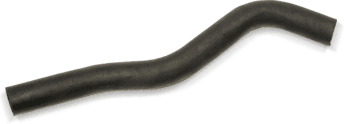

Similar search terms for THERMOTEC-SI-IV29-Radiator-hose
Top-Angebote
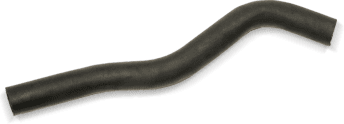
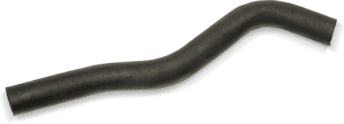
Products related to THERMOTEC-SI-IV29-Radiator-hose:


-
"Is the radiator hose torn and leaking at the clamp?"
To determine if the radiator hose is torn and leaking at the clamp, you should visually inspect the hose for any visible tears or damage. Additionally, you can check for any signs of coolant leakage around the clamp area. If there is evidence of a tear or leak, it is important to address the issue promptly to prevent further damage to the cooling system. It may be necessary to replace the hose or tighten the clamp to resolve the issue. **
-
Is the radiator sufficient?
To determine if the radiator is sufficient, it's important to consider the size of the room, the insulation of the space, and the desired temperature. If the radiator is able to consistently maintain a comfortable temperature in the room, then it can be considered sufficient. However, if the room is consistently too cold or if the radiator struggles to heat the space, it may not be sufficient and may need to be upgraded or supplemented with additional heating sources. **
-
Has the hose connector come off the garden hose?
To determine if the hose connector has come off the garden hose, you can visually inspect the hose to see if the connector is still attached. If the connector is no longer attached, you may need to reattach it or replace it with a new one. Additionally, you can check for any water leakage or spraying at the connection point, which would indicate that the connector has come off. If the connector has come off, it's important to address the issue to ensure proper functioning of the garden hose. **
-
What is the difference between the Piaggio Si and the Vespa Piaggio Si?
The Piaggio Si and the Vespa Piaggio Si are both models of mopeds produced by the Italian manufacturer Piaggio. The main difference between the two is that the Vespa Piaggio Si is a specific model of the Piaggio Si line, featuring the iconic Vespa design and branding. The Vespa Piaggio Si may have some additional features or design elements that set it apart from the standard Piaggio Si model. However, both models share the same basic platform and are designed for urban commuting and short-distance travel. **

How can you turn off the radiator without a radiator valve?
One way to turn off a radiator without a radiator valve is to use a thermostatic radiator valve (TRV) if your radiator is equipped with one. If not, you can try adjusting the flow of hot water to the radiator by partially closing the lockshield valve, which is usually located on the opposite side of the radiator from the thermostatic valve. Another option is to use a radiator key to bleed the radiator, which can release air and reduce the heat output. If these methods are not possible, you may need to seek professional help to install a radiator valve or find an alternative solution. **
Why doesn't the radiator turn off?
The radiator may not turn off due to a malfunctioning thermostat, which is responsible for regulating the temperature of the room. If the thermostat is not functioning properly, it may not be sending the signal to the radiator to stop heating. Another reason could be that the radiator valve is stuck or faulty, preventing it from closing and stopping the flow of hot water. It is important to troubleshoot and address these issues promptly to prevent energy waste and potential damage to the heating system. **
Top-Angebote
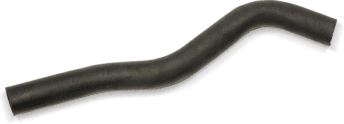
Products related to THERMOTEC-SI-IV29-Radiator-hose:
-
Should I replace this radiator hose?
If the radiator hose is showing signs of wear such as cracks, bulges, or leaks, then it is recommended to replace it. A damaged radiator hose can lead to coolant leaks, overheating of the engine, and potential engine damage. It is better to replace the hose preventatively rather than risk a breakdown or more costly repairs in the future. If you are unsure about the condition of the hose, it is best to have a mechanic inspect it for you. **
-
Why did the radiator hose burst?
The radiator hose likely burst due to a combination of factors such as age, wear and tear, and high pressure. Over time, the rubber in the hose can degrade and become more prone to cracking and bursting. Additionally, if the cooling system is not properly maintained and the coolant levels are not regularly checked, it can lead to overheating and increased pressure within the hose, causing it to burst. It's important to regularly inspect and replace radiator hoses to prevent unexpected failures. **
-
"Is the radiator hose torn and leaking at the clamp?"
To determine if the radiator hose is torn and leaking at the clamp, you should visually inspect the hose for any visible tears or damage. Additionally, you can check for any signs of coolant leakage around the clamp area. If there is evidence of a tear or leak, it is important to address the issue promptly to prevent further damage to the cooling system. It may be necessary to replace the hose or tighten the clamp to resolve the issue. **
-
Is the radiator sufficient?
To determine if the radiator is sufficient, it's important to consider the size of the room, the insulation of the space, and the desired temperature. If the radiator is able to consistently maintain a comfortable temperature in the room, then it can be considered sufficient. However, if the room is consistently too cold or if the radiator struggles to heat the space, it may not be sufficient and may need to be upgraded or supplemented with additional heating sources. **
Similar search terms for THERMOTEC-SI-IV29-Radiator-hose
-
Has the hose connector come off the garden hose?
To determine if the hose connector has come off the garden hose, you can visually inspect the hose to see if the connector is still attached. If the connector is no longer attached, you may need to reattach it or replace it with a new one. Additionally, you can check for any water leakage or spraying at the connection point, which would indicate that the connector has come off. If the connector has come off, it's important to address the issue to ensure proper functioning of the garden hose. **
-
What is the difference between the Piaggio Si and the Vespa Piaggio Si?
The Piaggio Si and the Vespa Piaggio Si are both models of mopeds produced by the Italian manufacturer Piaggio. The main difference between the two is that the Vespa Piaggio Si is a specific model of the Piaggio Si line, featuring the iconic Vespa design and branding. The Vespa Piaggio Si may have some additional features or design elements that set it apart from the standard Piaggio Si model. However, both models share the same basic platform and are designed for urban commuting and short-distance travel. **
-
How can you turn off the radiator without a radiator valve?
One way to turn off a radiator without a radiator valve is to use a thermostatic radiator valve (TRV) if your radiator is equipped with one. If not, you can try adjusting the flow of hot water to the radiator by partially closing the lockshield valve, which is usually located on the opposite side of the radiator from the thermostatic valve. Another option is to use a radiator key to bleed the radiator, which can release air and reduce the heat output. If these methods are not possible, you may need to seek professional help to install a radiator valve or find an alternative solution. **
-
Why doesn't the radiator turn off?
The radiator may not turn off due to a malfunctioning thermostat, which is responsible for regulating the temperature of the room. If the thermostat is not functioning properly, it may not be sending the signal to the radiator to stop heating. Another reason could be that the radiator valve is stuck or faulty, preventing it from closing and stopping the flow of hot water. It is important to troubleshoot and address these issues promptly to prevent energy waste and potential damage to the heating system. **
* All prices are inclusive of VAT and, if applicable, plus shipping costs. The offer information is based on the details provided by the respective shop and is updated through automated processes. Real-time updates do not occur, so deviations can occur in individual cases. ** Note: Parts of this content were created by AI.