Buy autark.eu ?
We are moving the project
autark.eu .
Are you interested in purchasing the domain
autark.eu ?
domain@kv-gmbh.de · 0541-91531010
Buy autark.eu ?
Is baking powder bio-based and environmentally sustainable?
Baking powder is not entirely bio-based, as it is typically made from a combination of sodium bicarbonate (baking soda), cream of tartar, and a moisture-absorbing agent such as cornstarch. While some of these ingredients may be derived from natural sources, the overall production process and ingredients used may not be considered entirely environmentally sustainable. Additionally, the packaging and transportation of baking powder can also contribute to its overall environmental impact. However, there are bio-based and environmentally sustainable alternatives to traditional baking powder, such as using homemade baking powder made from natural ingredients like baking soda and cream of tartar. **
Is baking powder bio-based and environmentally friendly?
Baking powder is a chemical leavening agent that typically contains a combination of bicarbonate of soda, an acid, and a moisture-absorbing agent. While some baking powders may contain bio-based ingredients, such as cream of tartar as the acid component, the overall product is not considered entirely bio-based. In terms of environmental friendliness, baking powder is generally safe for the environment when used in moderation, as it breaks down into harmless substances during baking. However, excessive use of baking powder can contribute to sodium levels in waterways, which may have negative environmental impacts. **


Similar search terms for Terpenic-Lab-Laurel-BIO
Top-Angebote
Products related to Terpenic-Lab-Laurel-BIO:
-
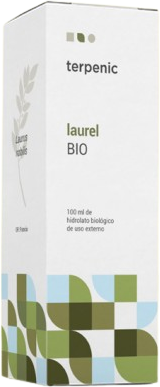
Terpenic Lab Laurel Hydrolate 100 mlHealth and Beauty Hair Treatments Terpenic Lab Laurel Hydrolate 100 ml Properties: - Antibacterial and antiviral. - Carminative and intestinal purifying. - Oral-dental antiseptic. - Anti-inflammatory and skin astringent. - Hair tonic. Directions: - Purifies combination and oily skin. - Hair loss and dandruff. - Skin and respiratory infections. - Digestive disorders. - Canker sores, gingivitis. Oral use: - Digestive tonic, aerophagia. - Constipation. - Bad breath. Organic hydrolate for cosmetic use, 100% pure without additives.8,63 £*Shipping: 3,99 £Secure redirect to the provider
-
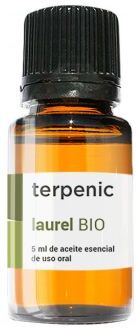
Terpenic Lab Laurel Essential Oil 5 mlNutrition and Supplements Natural Extracts Terpenic Lab Laurel Essential Oil 5 ml Organic essential oil for oral use, 100% pure, whole, natural, and chemotyped. It is perfect for flu, hepatitis, neuritis, gynecological infections, arthritis, polyarthritis, musculoskeletal rheumatism (especially degenerative osteoarthritis), neuralgia, toothache, acne, boils, and skin ulcers.6,55 £*Shipping: 3,99 £Secure redirect to the provider

-
What happened to the cherry laurel (Laurel cherry 'Herbergii')?
The cherry laurel 'Herbergii' is a cultivar of the cherry laurel plant that is known for its compact growth habit and attractive foliage. It is commonly used as a hedge or screening plant in gardens and landscapes. However, without specific details or context, it is difficult to determine what exactly happened to a specific cherry laurel 'Herbergii'. Possible issues could include disease, pest infestation, environmental stress, or improper care. It is important to properly diagnose the problem in order to provide the appropriate treatment and ensure the plant's health and vitality. **
-
Can cherry laurel freeze?
Cherry laurel, also known as English laurel, is a hardy evergreen shrub that can tolerate cold temperatures. However, extreme cold conditions, especially prolonged freezing temperatures, can damage cherry laurel plants. It is important to provide protection during severe winter weather, such as covering the plant with burlap or providing a layer of mulch around the base to help insulate the roots. Proper care and attention during freezing conditions can help cherry laurel plants survive and thrive. **
-
Is cherry laurel edible?
Cherry laurel (Prunus laurocerasus) is not considered edible, as all parts of the plant contain cyanogenic glycosides, which can release cyanide when ingested. Consuming even small amounts of cherry laurel leaves, berries, or stems can be toxic and potentially fatal. It is important to avoid ingesting any part of the cherry laurel plant. **
-
Is cherry laurel useful?
Cherry laurel (Prunus laurocerasus) has several uses. It is commonly used as an ornamental shrub or hedge due to its attractive foliage and ability to tolerate various growing conditions. The leaves of cherry laurel contain compounds that have been used in traditional medicine for their potential medicinal properties, including as a mild sedative and for treating respiratory conditions. However, it is important to note that all parts of the cherry laurel plant are toxic if ingested, so caution should be exercised when using it for any purpose. **

Do you know of any other examples of theories that this or that pathogen comes from a bio- or gene lab?
Yes, there have been several theories and conspiracy theories about pathogens originating from bio- or gene labs. One notable example is the theory that the HIV/AIDS virus was created in a laboratory, which has been widely debunked by the scientific community. Another example is the theory that the SARS-CoV-2 virus, which causes COVID-19, was accidentally leaked from a laboratory in Wuhan, China. However, there is currently no credible evidence to support this theory, and the World Health Organization has stated that the virus most likely originated in bats and was transmitted to humans through an intermediate animal host. **
Which plant is commonly associated with witchcraft: cherry laurel or bay laurel?
Bay laurel is commonly associated with witchcraft. It has been used in various rituals and spells for centuries due to its magical properties and symbolism. Cherry laurel, on the other hand, is not typically associated with witchcraft practices. **
Top-Angebote
Products related to Terpenic-Lab-Laurel-BIO:
-
Terpenic Lab Laurel Hydrolate 100 mlHealth and Beauty Hair Treatments Terpenic Lab Laurel Hydrolate 100 ml Properties: - Antibacterial and antiviral. - Carminative and intestinal purifying. - Oral-dental antiseptic. - Anti-inflammatory and skin astringent. - Hair tonic. Directions: - Purifies combination and oily skin. - Hair loss and dandruff. - Skin and respiratory infections. - Digestive disorders. - Canker sores, gingivitis. Oral use: - Digestive tonic, aerophagia. - Constipation. - Bad breath. Organic hydrolate for cosmetic use, 100% pure without additives.8,63 £*Shipping: 3,99 £Secure redirect to the provider
-
Is baking powder bio-based and environmentally sustainable?
Baking powder is not entirely bio-based, as it is typically made from a combination of sodium bicarbonate (baking soda), cream of tartar, and a moisture-absorbing agent such as cornstarch. While some of these ingredients may be derived from natural sources, the overall production process and ingredients used may not be considered entirely environmentally sustainable. Additionally, the packaging and transportation of baking powder can also contribute to its overall environmental impact. However, there are bio-based and environmentally sustainable alternatives to traditional baking powder, such as using homemade baking powder made from natural ingredients like baking soda and cream of tartar. **
-
Is baking powder bio-based and environmentally friendly?
Baking powder is a chemical leavening agent that typically contains a combination of bicarbonate of soda, an acid, and a moisture-absorbing agent. While some baking powders may contain bio-based ingredients, such as cream of tartar as the acid component, the overall product is not considered entirely bio-based. In terms of environmental friendliness, baking powder is generally safe for the environment when used in moderation, as it breaks down into harmless substances during baking. However, excessive use of baking powder can contribute to sodium levels in waterways, which may have negative environmental impacts. **
-
What happened to the cherry laurel (Laurel cherry 'Herbergii')?
The cherry laurel 'Herbergii' is a cultivar of the cherry laurel plant that is known for its compact growth habit and attractive foliage. It is commonly used as a hedge or screening plant in gardens and landscapes. However, without specific details or context, it is difficult to determine what exactly happened to a specific cherry laurel 'Herbergii'. Possible issues could include disease, pest infestation, environmental stress, or improper care. It is important to properly diagnose the problem in order to provide the appropriate treatment and ensure the plant's health and vitality. **
-
Can cherry laurel freeze?
Cherry laurel, also known as English laurel, is a hardy evergreen shrub that can tolerate cold temperatures. However, extreme cold conditions, especially prolonged freezing temperatures, can damage cherry laurel plants. It is important to provide protection during severe winter weather, such as covering the plant with burlap or providing a layer of mulch around the base to help insulate the roots. Proper care and attention during freezing conditions can help cherry laurel plants survive and thrive. **
Similar search terms for Terpenic-Lab-Laurel-BIO
-
Terpenic Lab Laurel Essential Oil 5 mlNutrition and Supplements Natural Extracts Terpenic Lab Laurel Essential Oil 5 ml Organic essential oil for oral use, 100% pure, whole, natural, and chemotyped. It is perfect for flu, hepatitis, neuritis, gynecological infections, arthritis, polyarthritis, musculoskeletal rheumatism (especially degenerative osteoarthritis), neuralgia, toothache, acne, boils, and skin ulcers.6,55 £*Shipping: 3,99 £Secure redirect to the provider
-
Is cherry laurel edible?
Cherry laurel (Prunus laurocerasus) is not considered edible, as all parts of the plant contain cyanogenic glycosides, which can release cyanide when ingested. Consuming even small amounts of cherry laurel leaves, berries, or stems can be toxic and potentially fatal. It is important to avoid ingesting any part of the cherry laurel plant. **
-
Is cherry laurel useful?
Cherry laurel (Prunus laurocerasus) has several uses. It is commonly used as an ornamental shrub or hedge due to its attractive foliage and ability to tolerate various growing conditions. The leaves of cherry laurel contain compounds that have been used in traditional medicine for their potential medicinal properties, including as a mild sedative and for treating respiratory conditions. However, it is important to note that all parts of the cherry laurel plant are toxic if ingested, so caution should be exercised when using it for any purpose. **
-
Do you know of any other examples of theories that this or that pathogen comes from a bio- or gene lab?
Yes, there have been several theories and conspiracy theories about pathogens originating from bio- or gene labs. One notable example is the theory that the HIV/AIDS virus was created in a laboratory, which has been widely debunked by the scientific community. Another example is the theory that the SARS-CoV-2 virus, which causes COVID-19, was accidentally leaked from a laboratory in Wuhan, China. However, there is currently no credible evidence to support this theory, and the World Health Organization has stated that the virus most likely originated in bats and was transmitted to humans through an intermediate animal host. **
-
Which plant is commonly associated with witchcraft: cherry laurel or bay laurel?
Bay laurel is commonly associated with witchcraft. It has been used in various rituals and spells for centuries due to its magical properties and symbolism. Cherry laurel, on the other hand, is not typically associated with witchcraft practices. **
* All prices are inclusive of VAT and, if applicable, plus shipping costs. The offer information is based on the details provided by the respective shop and is updated through automated processes. Real-time updates do not occur, so deviations can occur in individual cases. ** Note: Parts of this content were created by AI.